

Overview
Lindos sensors provide first-hand information about where people, vehicles, equipment and assets are and what they are doing, without waiting for manual reports. Lindos OS uses this information to recommend arrangements for the person responsible to confirm.
- Video
- Audio
- Status
- Location
- Environment
- People
- Equipment
- Assets
- Places
- Tasks
New order: 18 tonnes, 3 delivery points, due before 14:00.
Vehicle 7 is due to return empty after delivery. The collection point is on its way back.
Traffic is congested near bridge 1. David Lim, the driver of vehicle 3, knows the eastern district well.
Suggested action:Split the order: load 12 tonnes onto vehicle 3 and add 6 tonnes to vehicle 7's return trip. Reorder vehicle 3's delivery stops to avoid congestion.
Based on:Vehicle locations, sites and orders, traffic conditions and drivers' past records.
Customers asked for model A in white 7 times today. It is out of stock here, with no sales of this variant.
Store 2 has stock.
Suggested action:Transfer 6 units from store 2 for arrival tomorrow morning. On arrival, remind staff to follow up with 5 customers. Share key explanations from successful sales conversations with the team.
Based on:Customer enquiries captured by voice badges, plus stock, order and payment records.
ICU infusion pump utilisation is 96%, with a shortage of pumps.
General medicine infusion pump utilisation is 31%, with 9 idle units.
The procurement plan includes 8 infusion pumps.
Suggested action:Transfer 4 infusion pumps from general medicine to the ICU. Adjust the procurement plan to reflect actual utilisation: reduce 8 units to 4.
Based on:Equipment locations and operating status, departmental borrowing records and the procurement plan.
Radar detects a fall in toilet 305, and the wristband shows a raised heart rate.
Care worker B is closest at 8 metres but busy. Care worker A is available, 10 metres away.
Suggested action:Notify care worker A to attend immediately. Inform the nurses' station and prepare a wheelchair.
Based on:Millimetre-wave radar in the toilet, wristband heart rate and location readings, and care workers' locations and current tasks.
One message
Situation · Recommendation · Evidence · Manager approval
New order: 18 tonnes, 3 delivery points, due before 14:00.
Vehicle 7 is due to return empty after delivery. The collection point is on its way back.
Traffic is congested near bridge 1. David Lim, the driver of vehicle 3, knows the eastern district well.
Suggested action:Split the order: load 12 tonnes onto vehicle 3 and add 6 tonnes to vehicle 7's return trip. Reorder vehicle 3's delivery stops to avoid congestion.
Based on:Vehicle locations, sites and orders, traffic conditions and drivers' past records.
Customers asked for model A in white 7 times today. It is out of stock here, with no sales of this variant.
Store 2 has stock.
Suggested action:Transfer 6 units from store 2 for arrival tomorrow morning. On arrival, remind staff to follow up with 5 customers. Share key explanations from successful sales conversations with the team.
Based on:Customer enquiries captured by voice badges, plus stock, order and payment records.
Inform customers before recording audio. Recordings are not used for performance assessment or penalties.
ICU infusion pump utilisation is 96%, with a shortage of pumps.
General medicine infusion pump utilisation is 31%, with 9 idle units.
The procurement plan includes 8 infusion pumps.
Suggested action:Transfer 4 infusion pumps from general medicine to the ICU. Adjust the procurement plan to reflect actual utilisation: reduce 8 units to 4.
Based on:Equipment locations and operating status, departmental borrowing records and the procurement plan.
Radar detects a fall in toilet 305, and the wristband shows a raised heart rate.
Care worker B is closest at 8 metres but busy. Care worker A is available, 10 metres away.
Suggested action:Notify care worker A to attend immediately. Inform the nurses' station and prepare a wheelchair.
Based on:Millimetre-wave radar in the toilet, wristband heart rate and location readings, and care workers' locations and current tasks.
Private areas use millimetre-wave radar. The sensors do not capture images.
- 1TodayIdentify changes in sensor and business data.
- 2RecommendationCompare the impact of different arrangements and form a recommendation.
- 3EvidenceEvery record includes its source and update time.
- 4Manager approvalDecisions requiring approval are confirmed by the person responsible.
Understand, anticipate, coordinate, optimise
Understand · Anticipate · Coordinate · Optimise
Operations managers do these four things every day. Lindos OS continuously uses on-site data for the first two and provides recommendations for the other two.
Insights
Understand current site conditions, relationships between objects and task progress.
Anticipate
Estimate upcoming demand, workload and timing dependencies to identify potential bottlenecks and delays.
Coordinate
Dispatch and notify according to rules, recommend actions that need a decision and track them through to completion. Coordination includes dispatch, notifications, reassignment and responses.
Optimise
Use execution results to refine rules, plans and resource allocation.
Respond now, plan across the operation
Dual-engine architecture: millisecond responses and minute-scale reasoning
The real-time engine responds to immediate conditions, detecting changes promptly and notifying or acting according to rules. The reasoning engine considers the wider operation, compares options, recommends actions, tracks results and improves the next operating cycle. Decisions requiring approval are always confirmed by the person responsible.
Real-time engineRespond now · In milliseconds
Detect changes promptly and issue notifications and actions according to rules.
- Objects
- People · Equipment · Assets · Places · Tasks
- Relationships
- Who is where, whom they serve and who is responsible
- Events
- Changes recorded continuously across time and space
Reasoning engineSee the whole picture · In minutes
Compare the impact of different arrangements and recommend a course of action.
Real-time engine · Typical tasksArrivals and departures, status changes, overdue tasks and clearly defined exceptions
Reasoning engine · Typical tasksPersistent bottlenecks, competing objectives, rolling plans and periodic reviews
Rule-based actions run only within the organisation's authorised scope. The organisation defines that scope.
Five-layer architecture
CELL · GRID · PORT · CORE · AXIS
Lindos OS turns continuous sensing of people, equipment, places and assets into trusted spatial facts. AI uses these facts to reason and coordinate action. From bottom to top, the five layers are CELL, GRID, PORT, CORE and AXIS.
- Sensing as a ServiceContinuous sensing · CELL + GRID
- Source of TruthTrusted data foundation · PORT + CORE
- Sense to ActDual-engine decisions and actions · CORE + AXIS
ExampleAn infusion pump assessment, traced through all five layers
- AXISDigital twin & real-time coordinationAssessmentInfusion pumpsSuggested action:Transfer 4 infusion pumps from general medicine to the ICU.Approve
People use the Coordination hub to see the site and receive messages; agents use open interfaces. Actions are issued here, with decisions requiring approval confirmed by the person responsible.
5Send the assessment to the medical equipment team. After confirmation, transfer 4 infusion pumps from general medicine to the ICU.
- COREAI computing & operational reasoningReal-time engineMillisecond responsesReasoning engineMinute-scale reasoning
The real-time engine notifies and coordinates promptly under the organisation's rules. The reasoning engine combines plans and past records, compares different arrangements and recommends actions.
4The real-time engine identifies 96% infusion pump utilisation in the ICU. The reasoning engine compares departments and recommends transferring 4 pumps from general medicine.
- PORTSpatial facts interfaceObjectsInfusion pumpsStatusIdleLocationMedicineTime--:--SourceAsset tag
Put Lindos sensor and third-party device data into a common format. Every record identifies the object, status, location, time and source.
3Create an on-site fact: 9 idle infusion pumps in general medicine, with location, time and source recorded.
- GRIDNetwork backbone
Receivers collect sensor signals and send commands back to the site.
2Ward receivers send the tag signals upstream.
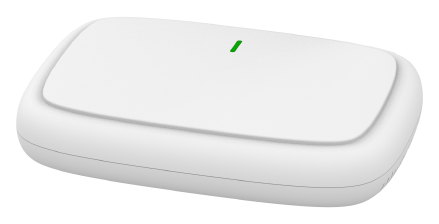
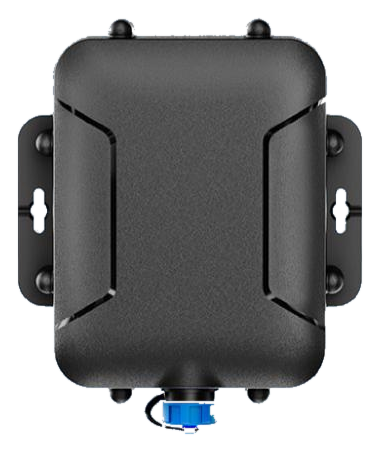
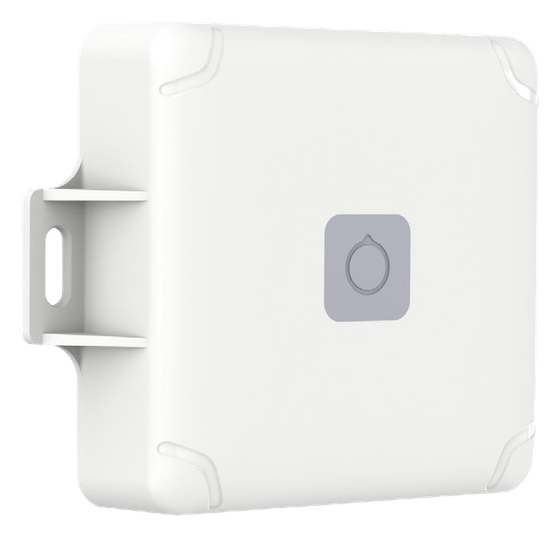
- CELLSensor layer
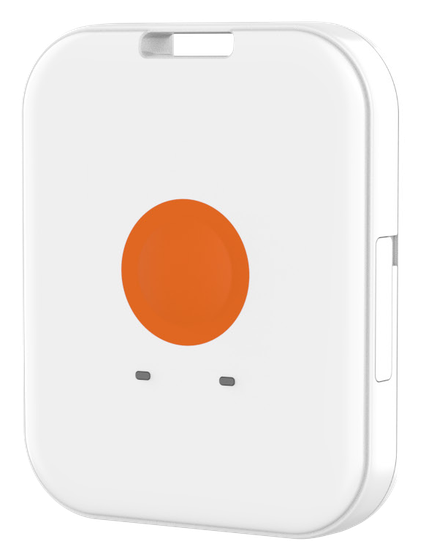
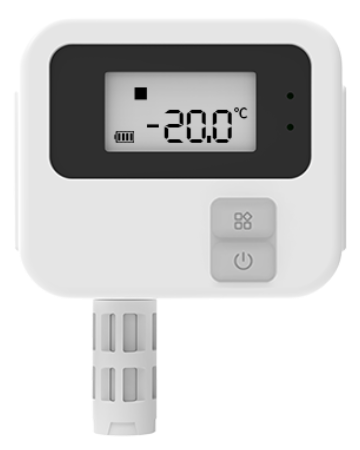
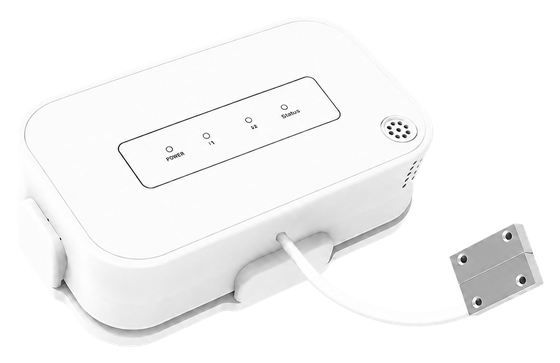
People wear badges and helmet tags; asset tags attach to equipment and materials. Temperature, humidity and door sensors are installed around the site to record location and status continuously.
1Asset tags record each infusion pump's location and operating status.


Learn more

Loading 3D scene…
SensorsNo wiring required. Continuously capture location, audio and environmental data for people, equipment, assets and places.View all sensors →Data & integrationsCombine first-hand on-site data with your existing business data.Data integration →Deployment & securityDeployment, permissions and maintenance arrangements are agreed with the organisation before the project starts.Deployment and security →Start with one site and one workflow
contact@lindos.cn
Deploy into your existing site without rewiring, alterations or interrupting operations. Tell us which workflow you want to improve first. Together, we will agree the available data, initial scope and measures of success.
Talk to us
Tell us about your site and the workflow you want to improve. We will arrange a conversation to agree how to get started.
contact@lindos.cn →02Request information
Explore solutions for your industry, the sensors involved and a practical starting scope.
contact@lindos.cn →03Partner with us
Develop and deliver a joint solution with clearly agreed roles and responsibilities.
contact@lindos.cn →